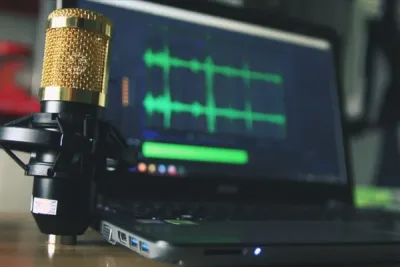

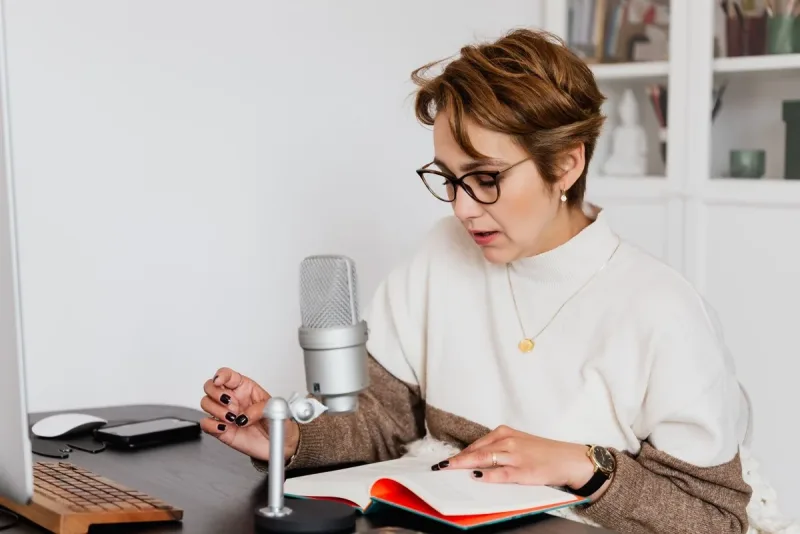
A solid voice-acting microphone is one of the smartest purchases any actor can make. The difference between a demo reel recorded on a laptop and one recorded on a real mic is night and day, and clients hear it immediately.
Microphones come in every shape and spec imaginable, but they all exist to do the same thing: capture a voice and turn it into a clean signal you can work with. The one you choose depends heavily on how and where you plan to use it.
For voice acting specifically, certain features matter more than others. Things like self-noise, frequency response tuned to vocals, and how well the mic rejects room sound can make or break a session.
With that in mind, I’ve pulled together the voice acting mics I’d actually recommend to anyone looking to build a home studio or upgrade an existing one.
Quick Comparison Chart
| # | Product | Our Rating | ||
|---|---|---|---|---|
| 1 |  |
Yeti USB Microphone | ★★★★★ | Check Price |
| 2 | 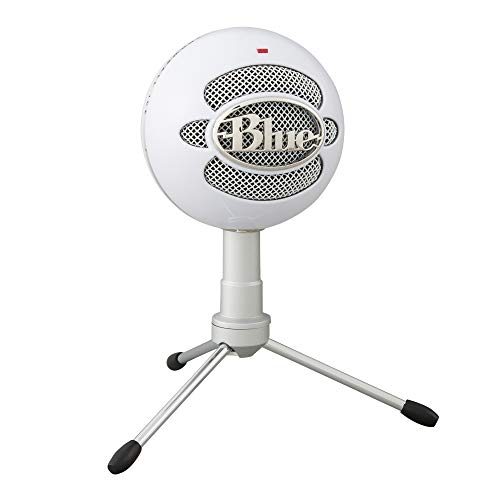 |
Blue Snow-Ball Condenser Microphone | ★★★★★ | Check Price |
| 3 |  |
Rode Condenser Microphone | ★★★★★ | Check Price |
| 4 | 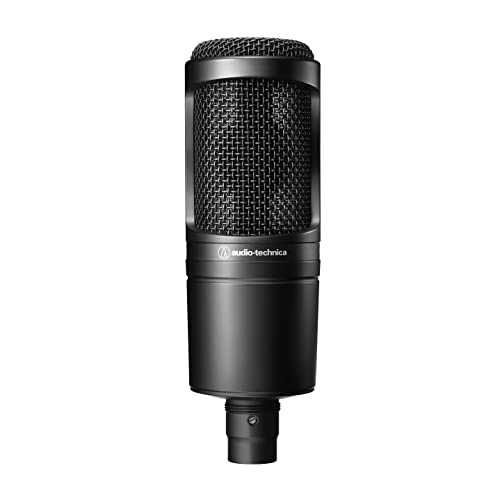 |
Audio-Technica XLR Microphone | ★★★★★ | Check Price |
| 5 |  |
Rode NT1A Condenser Mic | ★★★★★ | Check Price |
| 6 | 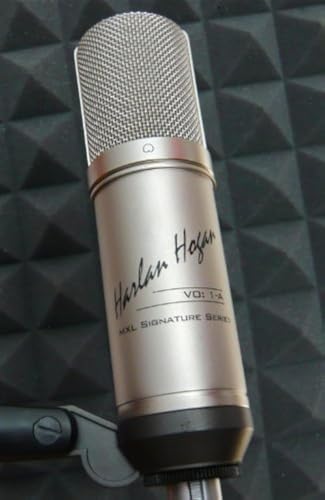 |
Harlan Hogan Mic | ★★★★★ | Check Price |
| 7 |  |
SE electronics XLR Microphone | ★★★★★ | Check Price |
| 8 | 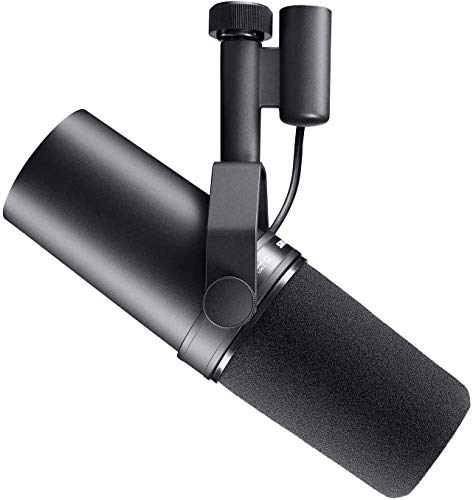 |
Shure SM XLR Microphone | ★★★★☆ | Check Price |
| 9 | 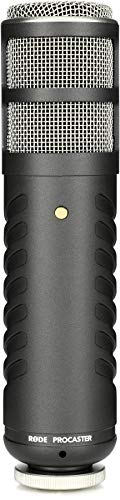 |
Rode Pro Caster Dynamic Microphone | ★★★★☆ | Check Price |
| 10 |  |
Electro Variable-D Mic | ★★★★☆ | Check Price |
1. Yeti USB Microphone — Best Overall
Yeti USB Microphone
It's one of the advanced microphones in the market right now and most preferred by audio recording companies and individuals.
Pros
- Four polar patterns: cardioid, stereo, omni, and bidirectional
- Plug-and-play USB connection, no audio interface needed
- Onboard gain, mute, and headphone controls for easy monitoring
- Backed by a 2-year manufacturer warranty
- Available in multiple colors to match your studio setup
Cons
- Gain control depends on software settings rather than hardware knobs
- Not compatible with most PA systems or mixers without adapters
The Blue Yeti is one of the most widely used USB mics on the market, and for good reason. Studios, podcasters, and voice actors all keep returning to it because it punches above its price class consistently.
Inside, you get three capsules working in tandem with four selectable pickup patterns, so you can adapt it to cardioid for solo voice work, bidirectional for interviews, or omni for room recording. Whatever the session calls for, the Yeti has a setting for it.
Voice clarity is excellent even without a pop filter, though I’d still recommend adding one for heavy plosive performances. The onboard A-D converter handles the conversion cleanly, so your voice sounds natural no matter which pattern you pick.
A built-in headphone amp lets you monitor in real time with zero latency, which is essential when tracking voice work. The all-metal body feels premium, and the mic works with any Windows version, Mac, or most game consoles.
For live streams and stereo recording, the Yeti is hard to beat. You can swap polar patterns on the fly to match whatever your voice is doing that day.
If you need to record auditions on the go, Blue also makes the Raspberry microphone, a compact USB option that plugs straight into a phone without losing that signature Blue clarity.
2. Blue Snow-Ball Condenser Microphone — Runner Up
Blue Snow-Ball Condenser Microphone
For a clear voice when acting, this microphone is the choice for better production.
Pros
- Custom condenser capsule for clear, warm vocal capture
- Works with Mac and PC via USB with zero driver install
- Built-in acoustic diffuser eliminates the need for a pop filter
- Certified by major recording platforms for voice work
- Entry-level price makes it ideal for beginner voice actors
Cons
- Humidity and moisture can damage the diaphragm over time
- Proximity effect can make bass overpowering at close range
The Blue Snowball is one of the best entry-level picks for voice actors who need clean audio without spending a fortune. It handles dynamic performances and tone shifts with surprising grace.
Its USB output makes it compatible with pretty much anything: Windows, Mac, Linux. You plug it in, and it shows up as an input device.
No drivers, no configuration headaches.
The mic mounts easily on any standard stand, and its custom condenser capsule delivers a warm, rounded voice that works for a wide range of character work. A hardware mute button adds a nice quality-of-life touch for longer sessions.
For a beginner-friendly USB mic that still sounds genuinely good, the Snowball is hard to fault.
3. Rode Condenser Microphone — Best Value
Rode Condenser Microphone
This is the high-quality audio voice recorder of all time due to its amazing well-researched features.
Pros
- Works for voice acting, podcasting, and music recording
- Included pop filter blocks plosives right out of the box
- Standard mount fits any boom arm or desk stand
- Built-in headphone jack for real-time monitoring
- Studio-grade 24-bit audio quality at a mid-range price
Cons
- Self-noise floor is audible in very quiet recording environments
- Shock mount recommended to avoid stand vibration bleed
Rode’s reputation for well-designed mics is fully earned, and this condenser is a great example. It’s tuned specifically to work as a voice recording tool, and every feature reflects that focus.
Input monitoring is built in, which is enormously useful when you’re coaching another actor through a session. You can dial in the right setting for their voice and hear the result in real time, instead of running back and forth to check takes.
An integrated pop filter sits at the bottom of the capsule, which handles heavy plosives automatically. Actors with strong accents or aggressive delivery will appreciate the head start.
One caveat: very soft, low-volume performances can sometimes sit too close to the noise floor. If that’s your style, consider a more sensitive condenser instead.
The Rode connects over USB, uses a cardioid condenser capsule, and keeps all control buttons easy to access on the body. It’s a unidirectional mic, so positioning your mouth on-axis is important.
4. Audio-Technica XLR Microphone — Top Pick
Audio-Technica XLR Microphone
It's an XLR microphone that every person would wish to have for it serves several purposes when not being used for acting.
Pros
- XLR output pairs with any audio interface or mixer
- Included pop filter reduces plosives during voice sessions
- Integrated headphone output for latency-free monitoring
- Solid value for a studio-grade condenser at this price point
Cons
- Shorter than competing cables at this price point
- Connectors may oxidize without proper storage
This Audio-Technica XLR mic is the kind of upgrade voice actors hit when they’re ready to move beyond USB. XLR gives you access to real audio interfaces, better preamps, and cleaner signal chains, and this mic takes full advantage of all of that.
Its cardioid condenser capsule and pattern settings are straightforward enough that even new users can figure them out with a quick read through the manual or a visit to Audio-Technica’s support page.
The shape and size slot neatly into any standard mic stand, which makes it easy to reposition on the fly between takes. The frequency response runs up to 20 kHz, which is about as wide as any voice artist will ever need.
You get a cardioid pattern, a wide dynamic range, high circuit sensitivity, and a balanced signal-to-noise ratio. Connection is via XLR, so you’ll need an interface with phantom power to run it.
5. Rode NT1A Condenser Mic — Top Pick
Rode NT1A Condenser Mic
If you are looking for the best microphone with a good condenser, this is a perfect one for you.
Pros
- Only 5 dBA self-noise, one of the quietest condensers made
- Nickel-plated body resists wear from daily studio sessions
- 10-year extended warranty when registered on Rode's website
- Wide 137 dB dynamic range handles whispers and shouts alike
- Comes with shock mount, pop shield, XLR cable, and dust cover
Cons
- Picks up room reflections and ambient noise easily
- More fragile than dynamic mics -- not ideal for rough handling
Looking for a serious step up into pro-grade condensers? The Rode NT1A has been a studio standard for years, thanks to its ultra-low self-noise floor and polished vocal character.
Phantom power is required to run it, so you’ll need an audio interface that supplies +48V. Without it, the mic won’t produce any usable signal at all.
If the term phantom power is new to you, it’s the standard way of supplying power to condensers over the XLR cable. Any decent audio interface supports it, usually with a dedicated button on the front panel.
The NT1A uses an XLR connection, a cardioid condenser capsule, and a pressure-gradient design that captures voices with astonishing clarity. It’s unidirectional, so positioning your voice directly in front of the capsule is important.
6. Harlan Hogan Mic — Worth Considering
Harlan Hogan Mic
Being customized for voice-overs gives the advantage of producing quality audio which is what every acting looks forward to achieving.
Pros
- Capsule tuned by Harlan Hogan specifically for voiceover work
- 30-day refund if it doesn't meet your voice recording needs
- Rugged USB housing built for daily voice acting sessions
- Works with any recording software on Mac or PC
- Pairs with outboard preamps or EQ for advanced signal shaping
- Widely available through major audio retailers
Cons
- Mounting thread size may differ from your existing gear
- Performance varies depending on the quality of your audio chain
Being customized for voice-overs gives the advantage of producing quality audio which is what every acting looks forward to achieving.
It a well-engineered microphone with unique features.
It captures tone variation very well that you can get the meaning of what is being said without seeing the actor’s facial expressions.
Ever thought of the best handheld microphone for voice-overs?
This is what you need for a great outcome.
The sound palette is nothing to worry about with this microphone, whether male or female.
It has a studio condenser with an XLR connector and is unidirectional in nature.
Another beautiful part is that you get a one-month return policy if doesn’t function well
7. SE electronics XLR Microphone — Worth Considering
SE electronics XLR Microphone
It an XLR microphone that serves justice to people's voices as you can set it to match your voice.
Pros
- Bundled pop filter included for clean vocal takes
- Multi-pattern XLR captures every nuance in voice performances
- Great value compared to other multi-pattern studio condensers
- All-metal chassis withstands regular studio handling
Cons
- Right-angle adapter not included for tight spaces
- Braided sleeve can fray at stress points over time
It an XLR microphone that serves justice to people’s voices as you can set it to match your voice.
The audio clarity and quality it produces is just something else that would make you choose it over several options you would be considering.
Its condensers are the best for different voices and tones, such kind of microphone is what you need.
Quality products always will give quality satisfaction to the user.
This voice-acting microphone weighs 1.27 kilograms, has a large-diaphragm, and has a unidirectional polar pattern.
That’s not all of its features as it has a cardioid condenser and an accompanying XLR connector.
Ever thought of one microphone that gives you quality, lasts long, and easy to set and operate, if no, then this is what you need to get yourself.
8. Shure SM XLR Microphone — Worth Considering
Shure SM XLR Microphone
It's one of the many cardioid dynamic microphones that use the XLR connector.
Pros
- Legendary SM series build survives years of daily recording
- Cardioid pattern isolates your voice from room reflections
- Warm, detailed vocal reproduction loved by broadcast pros
- Dynamic element needs no phantom power, just plug in and record
Cons
- Shorter than competing cables at this price point
- Connectors may oxidize without proper storage
It’s one of the many cardioid dynamic microphones that use the XLR connector.
Easily attached to stands, this is because it has a protruding metal for holding it since it’s very smooth.
The wide range of frequency is what is good and its popup patterns.
It’s an improved and advanced microphone as manufacturer engineers have been working on this field for the longest time so quality is what you’ll get here.
Looking for a microphone with no struggle when attaching to a stand, this is the deal since it clearly shows where you should attach.
That said, it doesn’t work with all types of stands mostly those small ones you mount on your desk but for acting, it’s perfect for hanging above. A gooseneck microphone arm gives you that same hands-free positioning in a desk-friendly form factor.
It uses wires for connection and comes with an XLR connector.
Another of its features is an electromagnetic hum rejection, internal shock, and cardioid condenser.
It makes use of 1 lithium polymer battery.
You need to buy some additional equipment that matches these microphone standards and features.
The cardioid condensers work well with the rejection of electromagnet hum to maximize shield.
9. Rode Pro Caster Dynamic Microphone — Worth Considering
Rode Pro Caster Dynamic Microphone
This is a type of microphone you can hold for hours without getting tired because it's so light-weighed.
Pros
- Broadcast-grade internal pop filter for plosive-free recording
- Tight cardioid pattern rejects room noise and reflections
- Only 745 grams, easy to hold for extended voice sessions
- XLR balanced output for clean signal to any audio interface
- Frequency response tailored for voice acting and broadcast
Cons
- Heavier than condenser alternatives of similar size
- Not ideal for capturing quiet or subtle sound sources
This is a type of microphone you can hold for hours without getting tired because it’s so light-weighed.
It’s a classic microphone in the market with a very unique physical look, which is perfect for stands with the assurance it can’t fall easily.
In an acting industry, such a microphone is given priority, especially if the scenes are being acted outside where someone has to hold it for a long time.
The quality it produces is unique and demanding for listeners, making it one of the best microphones under $500.
The polar patterns and capsules are the best you can have in a good quality microphone.
Among several features, the ones worth mentioning are its sturdiness and durability.
This microphone is made of metal and has an internal popup filter.
It also features a dynamic capsule and has a tight polar pattern that’s unidirectional.
Worthy of note is the fact that you don’t need to spend extra to buy popup filters even when there are some noises from the background, as it only picks the target voice.
It well-structured that many people prefer that physical structure when choosing which microphone to buy and made to last.
The quality of the audio production is something else it so superior and very clear.
It has versatility for any type of voice which gives it a stand out for acting for several actors.
10. Electro Variable-D Mic — Worth Considering
Electro Variable-D Mic
Of all other priced microphones this one is worth every coin you spend on it.
Pros
- Variable-D technology minimizes proximity effect and tonal shifts
- Neodymium element delivers strong, clean output
- Built-in blast filter handles plosives without an external screen
- Flatters all kinds of voice types from deep to high-pitched
- Rugged die-cast zinc body built for decades of studio use
Cons
- Mounting thread size may differ from your existing gear
- Performance varies depending on the quality of your audio chain
Of all other priced microphones this one is worth every coin you spend on it.
The way it’s designed, it’s made in such a way that it contains everything inside, making it a very versatile microphone.
Sound engineers recommend this microphone if you can afford it because its quality all-around is unmatched.
The popup is inbuilt so it’s one package with all needed for a quality microphone.
It’s a standard microphone that everyone who knows what a good microphone with linear features is aiming to get.
It has Variable-D and is made of metal, it has a large diaphragm and has a true cardioid.
It has unidirectional polar patterns and uses wire for connection.
The mic has a bass roll-off switch with the case made of steel, it also uses a 3-pin connector.
For the acting industry, this microphone is most used because it has a case that protects it so in case it falls, it can’t spoil easily and it’s also light-weight.
The audio quality for this is everything even when you move in any direction, still, it can capture the voice so the movement is allowed.
It worth the money it sold because its standard is a game-changer in acting or anywhere you may choose to use it.
Frequently Asked Questions
Do I need an XLR or USB microphone for voice acting?
USB microphones are great for beginners because they plug directly into your computer with no extra gear needed. XLR mics offer better sound quality and more flexibility, but they require an audio interface or preamp, which adds to the overall cost of your setup.
What polar pattern is best for voice acting?
Cardioid is the go-to polar pattern for voice acting because it captures sound from the front while rejecting noise from the sides and rear. This keeps your recordings clean and focused on your voice, even in a home studio that is not perfectly soundproofed.
How important is self-noise in a voice acting microphone?
Very important. Self-noise is the faint hiss a mic produces on its own, and it becomes especially noticeable during quiet passages in audiobooks and animation.
Look for a mic with self-noise below 15 dBA for the cleanest recordings. Models like the Rode NT1A are known for their near-silent operation.
Final Thoughts
Every mic on this list earned its spot for different reasons, and any of them would make a solid addition to a voice actor’s studio. Just remember that the list isn’t exhaustive, and none of these are purpose-built for voice acting alone, they all handle podcasting, music, and other recording duties equally well.
A mic’s feature set directly shapes both the quality of your recordings and how long it’ll stay usable as your workflow grows. Investing in the right one upfront saves you from upgrading too soon.
Take some time to understand how each mic type works, what polar patterns actually do in practice, and which features line up with your recording space. The more you know, the less likely you are to regret your purchase.
If none of these quite fit, check out our other buying guides for more options and a deeper dive into what to look for.
The Blue Yeti USB Microphone takes the top spot for its multiple polar patterns, plug-and-play USB setup, and availability in different colors that fit any studio aesthetic. If you want a simpler, more affordable option that still delivers clear voice recordings, the Blue Snowball Condenser is a certified mic that works with virtually any device right out of the box.