
Picking the best vocal mic under $500 isn’t as simple as grabbing whatever your favorite YouTuber uses. The vocal mic is arguably the second most important piece of gear in any studio, right after the voice it’s capturing.
Everything flows from there: recording, editing, mixing, mastering, and yes, eventually Grammy nominations if things go well.
A good mic also needs to last. You’re probably going to rely on it for the next four or five years, so build quality, sound reproduction, and how it handles proximity effect all matter just as much as the spec sheet.
If you’re early in your career, dropping a grand on a mic is a fast track to regret. Instead, here are 12 solid vocal mics that sit comfortably under the $500 mark without cutting corners on what matters.
Quick Comparison Chart
| # | Product | Our Rating | ||
|---|---|---|---|---|
| 1 | 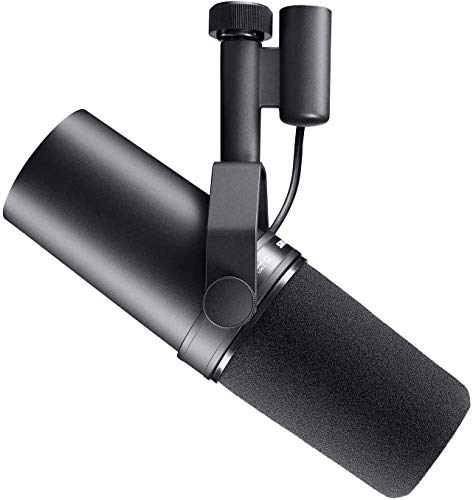 |
Shure SM7B | ★★★★★ | Check Price |
| 2 |  |
Aston Spirit Large Diaphragm Condenser | ★★★★★ | Check Price |
| 3 |  |
Warm Audio WA84BK-SP | ★★★★★ | Check Price |
| 4 |  |
AKG Pro Audio C214 Large Diaphragm | ★★★★★ | Check Price |
| 5 |  |
RODE NT 1A Vocal Condenser | ★★★★★ | Check Price |
| 6 |  |
SE Electronics SE7 | ★★★★★ | Check Price |
| 7 |  |
Shure SM58 LC Cardioid Dynamic | ★★★★★ | Check Price |
| 8 | 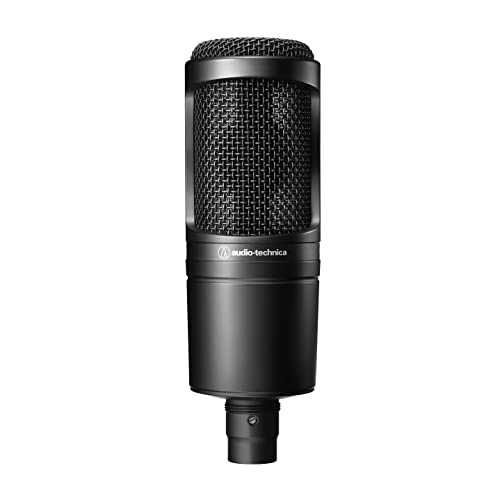 |
Audio Technica AT2020 Cardioid Condenser | ★★★★☆ | Check Price |
| 9 | 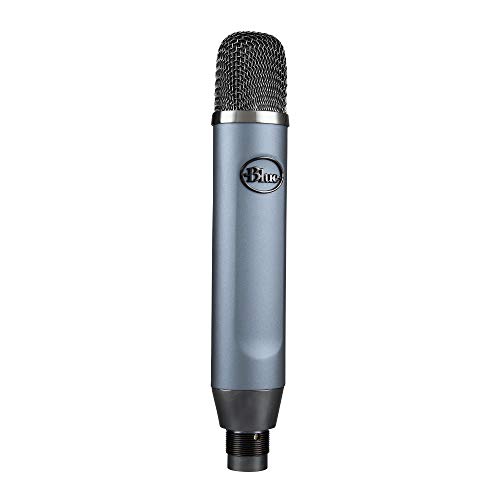 |
Blue Ember Condenser Recording Streaming | ★★★★☆ | Check Price |
| 10 |  |
Aston Stealth Broadcast Condenser | ★★★★☆ | Check Price |
| 11 | 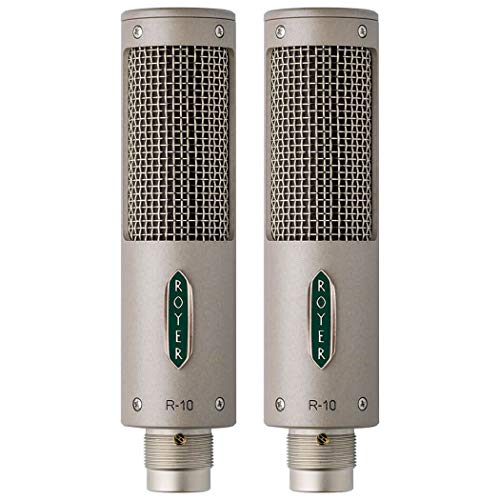 |
Royer R-10 | ★★★★☆ | Check Price |
| 12 |  |
Avantone Pro CR14 | ★★★★☆ | Check Price |
1. Shure SM7B — Best Overall
Shure SM7B
If you are starting a podcast channel or want to be the next music artist, then the Shure SM7B is the mic you need.
Pros
- Flat, wide-range frequency response captures vocals naturally
- Electromagnetic shielding blocks hum from computer monitors
- Bass rolloff and mid-range emphasis controls built in
- Air suspension shock mount reduces mechanical noise
- Industry-standard dynamic mic trusted by top podcasters
Cons
- Documentation lacks detailed setup guidance for beginners
- Frequency response may not suit all voice types equally
If you’re starting a podcast or chasing a music career, the Shure SM7B is the mic almost everyone recommends, and for good reason. It’s been the go-to for album recording for decades, and even Michael Jackson famously used one.
It also works brilliantly as a broadcast mic and can handle duty on drum kits if needed. If that price is a stretch, our best microphone under $100 roundup has some surprisingly good picks.
The SM7B records with lower sensitivity than most dynamic mics, which makes it a natural pick for loud vocalists who’d otherwise clip every take. Frequency response runs 50 Hz to 20 kHz, giving you plenty of room to work.
Good news for setup: no phantom power needed. It also won’t misbehave if phantom power happens to be present at its mixer input.
One caveat, though: some third-party external preamps commonly paired with the SM7B do require phantom power to run, so read the fine print on your chain.
The built-in pop filter means you don’t have to add any external protection against plosives, even during close-up vocals or narration work. Its cardioid polar pattern is tuned specifically for music and speech across a wide range of pro applications.
Shielding against hum from computer monitors, fluorescent lights, and other electrical interference is baked in, which matters more than you’d think once you’ve been burned by a humming signal at 2am.
2. Aston Spirit Large Diaphragm Condenser — Runner Up
Aston Spirit Large Diaphragm Condenser
This mic comes with a switchable pattern, a switch on the mic body that helps switch between Omni, cardioid, or figure-eight polar pattern.
Pros
- Switchable omni, cardioid, and figure-eight polar patterns
- All-metal body with a wave-form mesh pop filter built in
- 80Hz high-pass filter tames low-end rumble on vocals
- 1-inch gold-evaporated capsule delivers studio-grade clarity
- Hand-assembled in the UK with premium components
Cons
- Humidity and moisture can damage the diaphragm over time
- Proximity effect can make bass overpowering at close range
The Aston Spirit includes a switchable polar pattern selector right on the body, letting you flip between omni, cardioid, and figure-eight on the fly. Guitarists (acoustic and electric) and vocalists both love this kind of flexibility.
It’s designed to deliver an open, airy sound with sparkling harmonics, and the recordings come through transparent and detailed. Every nuance, every breath, every small performance choice gets captured faithfully.
As large-diaphragm condensers in this price range go, the Spirit genuinely outperforms most of its competitors. If you’re chasing modern clarity rather than vintage warmth, and you want a more articulated vocal sound, the Spirit is exactly what you want.
The specs: 20 Hz to 20 kHz frequency range, -32 dB sensitivity, 14 dB self-noise, and a +48V phantom power requirement.
3. Warm Audio WA84BK-SP — Best Value
Warm Audio WA84BK-SP
A rebuild of the WA84 classic, this small-diaphragm condenser is known as SDC's or Pencil Mic due to its thin and small cylindrical shape.
Pros
- Vintage-style small-diaphragm capsule for detailed recordings
- USA-made CineMag large transformer adds warm analog character
- Pencil mic design captures acoustic instruments with precision
- Includes both cardioid and omni capsules for versatility
Cons
- Self-noise floor is audible in very quiet recording environments
- Shock mount recommended to avoid stand vibration bleed
Warm Audio’s WA84BK-SP is a modern rebuild of the classic WA84. It’s a small-diaphragm condenser (SDC), also nicknamed a “pencil mic” thanks to its thin cylindrical body.
This one’s for the acoustic crowd. It excels at capturing acoustic instruments and cymbals, producing a more natural sound at higher volumes than you’d expect from a mic this size.
Large-diaphragm condensers tend to be more sensitive and demand more room isolation, whereas the WA84 plays nicer in less-than-ideal recording environments.
Frequency response runs 20 Hz to 20 kHz, with an SPL handling range from 10 dB to 133 dB. What really sets it apart is how it handles acoustic sources across the board, from electric bass to upright bass and everything in between.
4. AKG Pro Audio C214 Large Diaphragm — Top Pick
AKG Pro Audio C214 Large Diaphragm
This mic comes with a heavy metal casing and a locking design, which is very handy and great to use.
Pros
- 160Hz high-pass filter with 6dB per octave roll-off
- Large 1-inch edge-terminated condenser diaphragm
- Integrated suspension reduces stand-transmitted vibrations
- Rugged metal body built to withstand touring and studio use
Cons
- Build quality may not withstand heavy daily use
- Included accessories are basic and may need upgrading
AKG’s C214 ships in a heavy metal casing with a locking design that feels great in use, and it’s clearly built for the long haul. It’s not the strongest at handling plosives, so you’ll want a pop filter, but its sound quality across low and mid frequencies is consistently above average.
High transients come through rounded off in a way that sounds genuinely natural rather than processed.
Some mics make you fight with EQ and saturation to get a usable vocal tone. AKG doesn’t.
The C214 is dialed in out of the box.
As a large-diaphragm mic, it’s built for the everything-and-the-kitchen-sink recording workflow: podcasts, vocals, instruments, room sounds, you name it. Large-diaphragm mics respond more sensitively to subtle nuances in sound waves, which is why they show up on so many hi-fi recordings.
5. RODE NT 1A Vocal Condenser — Top Pick
RODE NT 1A Vocal Condenser
This mic comes with a shock mount and SM6 pop filter with an XLR cable.
Pros
- Ultra-low 5dBA self-noise level for whisper-quiet recordings
- SM6 shock mount with integrated pop filter included
- Wide dynamic range handles both soft and loud vocal takes
- Gold-sputtered 1-inch capsule captures full frequency detail
Cons
- Non-standard thread size may require adapter for some mics
- Tripod legs can be a tripping hazard on crowded stages
This mic comes with a shock mount and SM6 pop filter with an XLR cable.
This mic may not be for everyone because it isn’t a flat mic, but its sound is pretty good for those who don’t want to go much in with the saturation and EQ thing while recording vocals or instruments.
Since Rode deliberately made this mic’s frequency pattern sound a certain way, this may not fit everyone’s voice.
To be quite clear, this mic is for the voice acting and vocalist community - the detail with which it captures sound is awesome.
It comes with a 5dBa sound level, and for proximity and plosives tests, this mic is great.
For background, sound management goes with a dynamic mic that doesn’t come near this one.
Other mics from rode are Rode NT5, Rode NT2A, and Rode Video Mic.
6. SE Electronics SE7 — Worth Considering
SE Electronics SE7
Convincing stereo recordings require mics with high consistency and accurate localization with a pair of microphones.
Pros
- Small-diaphragm cardioid condenser with 80Hz highpass filter
- Gold-plated XLR outputs sold as a matched stereo pair
- Hand-crafted capsule delivers consistent unit-to-unit accuracy
- Includes a switchable pad for handling high SPL sources
Cons
- Mounting thread size may differ from your existing gear
- Performance varies depending on the quality of your audio chain
Convincing stereo recordings require mics with high consistency and accurate localization with a pair of microphones.
The SE Electronics SE7 is a high-quality small-diaphragm, back-electret condenser microphone designed for a broad range of studio and live sound applications.
With the acoustic design, versatile attenuation, highpass switches, and a transformerless output, it delivers a clear, natural sound at all frequencies on any source.
It has a frequency of 20 Hz to 20 kHz and a sensitivity of -34 dB, this mic is just great.
The SE Electronics SE7 is a good mic for recording 3 dimensional and a similar mic is theSE Electronics X1R.
7. Shure SM58 LC Cardioid Dynamic — Worth Considering
Shure SM58 LC Cardioid Dynamic
They say that old is gold and yes it is, the Shure SM58 is the favorite here, this mic has been in the industry for the past 30 years (maybe more).
Pros
- Pneumatic shock mount cuts handling noise during performances
- Cardioid pattern rejects off-axis sound and feedback
- Hardened steel mesh grille survives drops and rough handling
- Industry-standard live vocal mic for over 50 years
Cons
- Doesn't capture room ambiance well for natural-sounding recordings
- Output level is lower, requiring a clean high-gain preamp
They say that old is gold and yes it is, the Shure SM58 is the favorite here, this mic has been in the industry for the past 30 years (maybe more).
The built-in quality is the gold standard, you can find videos on YouTube of a Shure sm58 being run over by a truck and still working.
It has a cardio polar pattern with a frequency response range of 50 Hz to 15 kHz and a sensitivity range of -54.5 dB.
The Shure SM58 goes with everything, and you can do whatever you want to do with this mic.
Whether it is podcasting, YouTubing or just demoing out music, Shure SM58 is the go-to mic.
It’s insanely durable and has a nice noise rejection, thus you can use it in a noisy environment.
Well, not everything thing about this mic is all rosy, it does have a few drawbacks as well, especially its low sensitivity level, hence you will have to drive your preamps.
Just keep one thing in mind while using this mic. You need to speak right on top of the mic to get the best sound quality.
8. Audio Technica AT2020 Cardioid Condenser — Worth Considering
Audio Technica AT2020 Cardioid Condenser
This is a full condenser microphone.
Pros
- Handles high SPL levels up to 144dB without distortion
- Low self-noise floor keeps recordings clean at any gain
- Custom-engineered diaphragm delivers superior transient response
- Rugged construction with a pivoting stand mount included
Cons
- Requires phantom power or battery, adding to setup complexity
- Highly sensitive to plosives without a pop filter
This is a full condenser microphone.
It does not come with a microphone cable, so keep in mind that when buying the AT2020, you’ll need to buy it separately.
The built-in design is fully metal and is perfect, the frequency response ranges between 20 Hz to 20 kHz and it requires a 48 Volt of phantom power.
It’s a cardioid-built pattern microphone, so you need to speak in front of the mic.
If you’re just a beginner in the recording world, then I would strongly recommend that you go with any other mic on the list.
This mic is specifically for the ones who are looking for high-end audio quality like mostly the professional ones, people who can buy a pop filter, and a USB audio interface because it will help in enhancing the audio recorded on the microphone.
Other microphones from Audio Technica are Audio Technica ATR2100 and Audio Technica AT4040.
9. Blue Ember Condenser Recording Streaming — Worth Considering
Blue Ember Condenser Recording Streaming
A microphone specifically for streamers, Blue Ember is an XLR studio condenser microphone for recording and streaming.
Pros
- Hand-tuned condenser capsule delivers open, detailed sound
- Tight cardioid pattern rejects room noise for streaming
- Premium XLR output with high signal-to-noise ratio
- Slim, low-profile design stays out of your camera frame
Cons
- Stiff jacket resists coiling and creates handling noise
- No strain relief at connector joints on some units
A microphone specifically for streamers, Blue Ember is an XLR studio condenser microphone for recording and streaming.
The built-in quality is great with full metal on style, it has an all-metal mesh pop filter too.
The mic has a cardioid polar pattern with a frequency response range of 38 Hz to 20 kHz, a sensitivity of -38 dB, a max SPL of 132 dB, and an impedance of 40 Ohm.
It also has a phantom power requirement of +48 volts.
Again, you have to speak in front of the mic to get the best audio quality.
The explosive levels are average and not quite good, the mic doesn’t pick up much room noise when you’re speaking.
There are some cons too as the proximity effects are a bit of an issue and the plosive levels will all go if you use a pop filter.
This a not a vocalist microphone but if you need it just for the podcast stuff, then you are good to go with this one.
It has a little bass and treble boost and does not need too much EQ stuff.
10. Aston Stealth Broadcast Condenser — Worth Considering
Aston Stealth Broadcast Condenser
The Aston Stealth comes with an all-metal body but the head of the mic has a little plastic that feels cheap, at the bottom of the mic is a 4-way rotating dial to switch between all 4 types of voicing
Pros
- Four voicing modes for vocals, guitar, dark, and bright tones
- Active and passive modes with 48V phantom auto-detect
- Built-in Class A preamp delivers clean gain on any input
- All-metal body with a distinctive Sorbothane internal mount
Cons
- Humidity and moisture can damage the diaphragm over time
- Proximity effect can make bass overpowering at close range
The Aston Stealth comes with an all-metal body but the head of the mic has a little plastic that feels cheap, at the bottom of the mic is a 4-way rotating dial to switch between all 4 types of voicing.
The end where you speak contains padding to support the plosive rejection.
It contains a cardioid pattern with a frequency response range of 29 Hz to 20 kHz.
With a passive sensitivity of -60dB, and an active sensitivity of -16dB, it has a class A preamp built inside the mic which gets activated with the phantom power turned on, due to which, there is an increase in gain and your preamp don’t need to go hard.
There are 4 modes: V1-Male, V2-Female, G-Guitar, and D-Dark-Ribbon Functions.
The sound recording is great on the V2 Mode with a massive amount of articulation.
This is a versatile microphone for everything you need, just turn it in the mode you want and you can start recording.
The Stealth will be a beast for your music studio.
11. Royer R-10 — Worth Considering
Royer R-10
If you love heavy metal and the electric bass, then this is for you.
Pros
- Figure-8 ribbon element captures warm, vintage-sounding vocals
- 2.5-micron aluminum ribbon for excellent transient detail
- Three layers of internal wind protection reduce plosives
- Versatile bidirectional pattern works for duets and room mics
Cons
- Gain adjustment range is limited
- Mute button placement is awkward
If you love heavy metal and the electric bass, then this is for you.
Also, if you play electronic guitar all day long, then you can go for the Royer R-10 ribbon mic as well.
This mic is hand-built in the Royer Burbank facility, Royer R-10 has a three-layer windscreen system designed to protect it from noise to work better in a live environment or open studios.
It also helps in the low bass, so you can attach it to a speaker and record flawlessly.
One more good news for the buyers is that the ribbon mic contains a transducer used in the Royer R-121, it contains a 2.5-micron Ribbon element.
The transformer in the Royer R-10 is designed to record loud electric guitars or drums and other instruments.
You have a lot of room with this mic to record.
R-10 is a wonderful microphone to pick if you don’t like any of the above 10, you can use it wherever you want, it’s extremely versatile.
You’ll not regret this one, and the other ribbon microphones are Royer 121 and Beyer dynamic M60.
12. Avantone Pro CR14 — Worth Considering
Avantone Pro CR14
The Avantone Pro CR14 comes with a wooden case for the mic and an aluminum case for the shock mount.
Pros
- Ultra-high 148dB SPL handling for loud instruments and vocals
- Works with guitars, drums, brass, and any instrument type
- Ships in a fitted wooden case with aluminum shock mount case
- Dual-diaphragm ribbon design adds richness to recordings
Cons
- Drivers required on some systems
- Rubber feet could grip better
The Avantone Pro CR14 comes with a wooden case for the mic and an aluminum case for the shock mount.
It also comes with an XLR cable, and the red wine color just looks great on the mic.
The retro body design of this ribbon mic looks pretty awesome, the shock mount in the case is very good in allowing a precise positioning of the mic while inhibiting the transfer of unwanted vibrations.
The Pro CR14 dual low mass ribbon element enables a better sensitivity ratio.
It has an ultra-high 148dB SPL capability with a figure-8 pickup pattern — basically a bidirectional microphone that grabs sound from front and rear — with extensive sweet spots compared to large-diaphragm condenser mics and single ribbon designs.
This mic is again for people who are professional in their craft and are looking for a high-end quality sound, it’s a high-end mic and if you are willing to spend more money on your studio, then feel free to get it.
For beginners, go with any other mic from the above list and let the pros can pick this one.
This mic is versatile and can be used everywhere but it requires great care too.
Frequently Asked Questions
Is the Shure SM7B worth it for home studio vocal recording?
The SM7B is one of the most popular vocal mics in the world for a reason. Its flat frequency response and excellent noise rejection make it perfect for home studios, though you’ll need a quality preamp with enough gain since it’s a dynamic mic that needs more power than most.
Should I choose a condenser or dynamic mic for recording vocals under $500?
Condenser mics capture more detail and high-frequency sparkle, which flatters most vocal styles in a treated studio. Dynamic mics are more forgiving of room acoustics and background noise, making them the better choice if your recording space isn’t acoustically treated.
Do I need a separate preamp for vocal mics in this price range?
Most audio interfaces include built-in preamps that work fine with condenser mics. Dynamic mics like the Shure SM7B and ribbon mics like the Royer R-10 are gain-hungry and may need a dedicated preamp or an inline booster like the Cloudlifter to get a clean, noise-free signal.
Final Thoughts
The Shure SM7B is the vocal mic to own under $500 — it’s the same mic used on countless hit records and top-tier podcasts because its flat frequency response flatters virtually every voice type. If you want a condenser with more studio versatility, the Aston Spirit lets you switch between omni, cardioid, and figure-eight polar patterns, which is a major advantage when tracking different vocalists or instruments.
Keep in mind that the SM7B is a gain-hungry dynamic mic, so budget for a Cloudlifter or similar inline preamp to get a clean, noise-free signal from your audio interface.
The Shure SM7B earned our top spot because its flat, wide-range frequency response delivers clean, natural sound for both vocals and podcasting. If you want a condenser with switchable polar patterns for more studio flexibility, the Aston Spirit Large Diaphragm Condenser lets you toggle between omni, cardioid, and figure-eight modes.